Why Canadians Say ‘Sorry’ So Much — 15 Charming (and Baffling) Canadian Habits, Decoded
Why Canadians Say ‘Sorry’ So Much — 15 Charming (and Baffling) Canadian Habits, Decoded
Canada is full of wide skies, warm apologies and conversations about the weather. Some habits are practical, some come from regional traditions, and others are just delightfully quirky. Whether you’re visiting, living there, or just curious, here are 15 Canadian habits that make the country unique — and the short explanations behind them.
1. Saying sorry for everything
Canadians have a near‑legendary tendency to apologize — even when they didn’t do anything wrong. It’s less about guilt and more about politeness and social smoothing: saying sorry often softens interactions and avoids conflict.
2. Adding eh to the end of sentences
The little tag ‘eh’ is a friendly conversational filler. It invites agreement or confirmation and comes in many tones — curious, teasing, or genuinely asking for input.
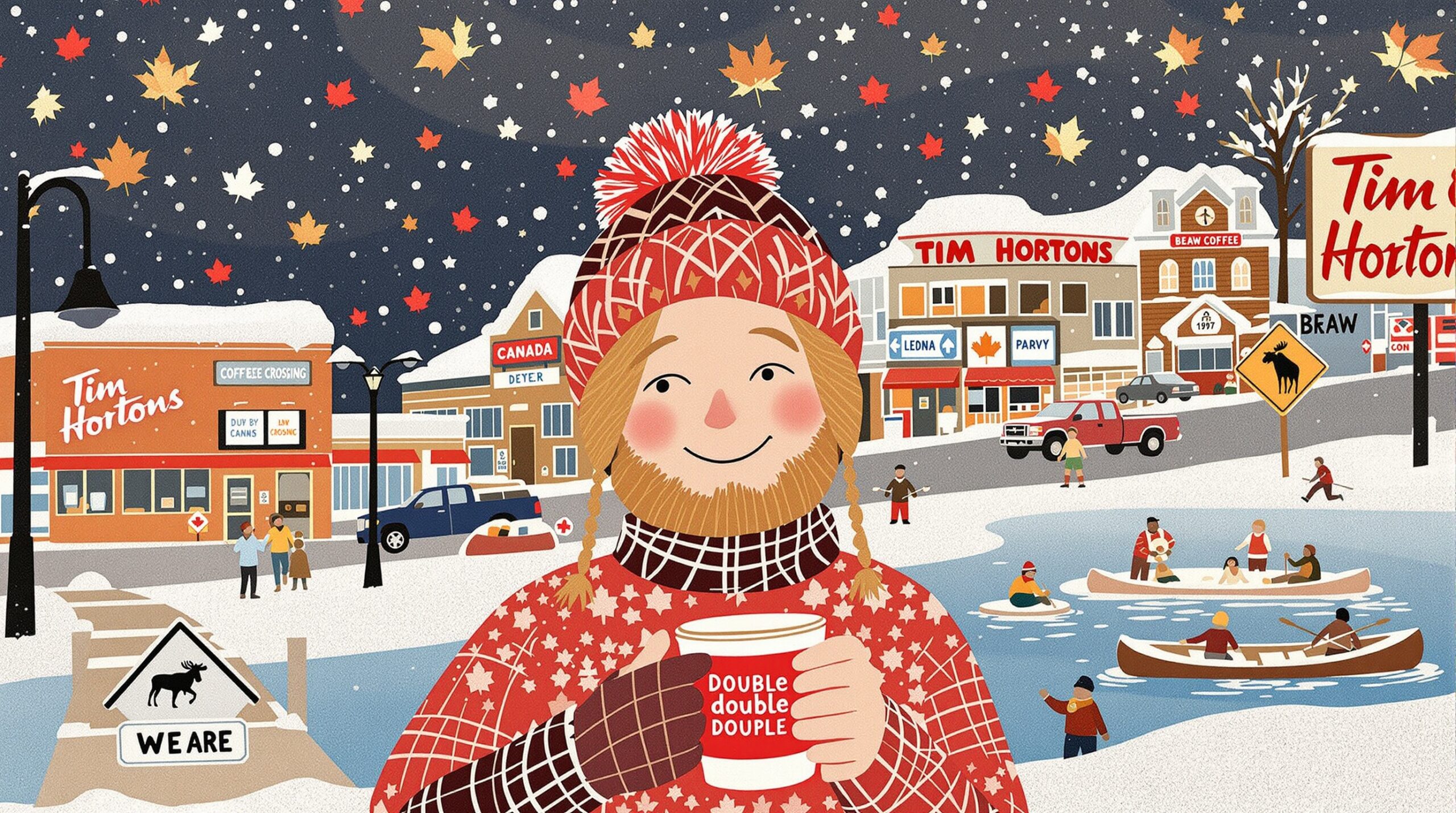
3. Tim Hortons devotion (and the double‑double)
A run to Tim Hortons for a ‘double‑double’ (two creams, two sugars) is a morning ritual for many. It’s not just coffee — it’s part of daily routine and community life in many towns.
4. Talking about the weather like it’s a shared pastime
With dramatic seasonal swings, weather is an instant neutral topic. Complaining about snow or celebrating a blue‑sky day is a friendly way to connect.
5. Hockey is basically a civic religion
From backyard shinny to NHL fandom, hockey isn’t just a sport — it’s woven into schoolyards, community rinks and national identity. Even people who don’t play often have an opinion on the latest game.
6. Cottage life and the long, lazy summer weekend
Many Canadians reclaim the weekend by heading to a cottage — relaxing by a lake, grilling, and preserving the short summer. It’s a cultural moment where time slows down.
7. Politeness that looks like awkwardness
Holding doors, offering seats, or stepping aside to let someone pass is common. This can feel like extreme politeness to outsiders, but it’s everyday courtesy here.
8. Love of the great outdoors
From hiking and canoeing to snowshoeing and ice fishing, outdoor recreation is a major part of life. Access to national parks and wilderness shapes many leisure habits.
9. Regional food quirks: poutine, ketchup chips, and Nanaimo bars
Canadian snacks and dishes vary by province. Poutine (fries, gravy, and cheese curds) is a must‑try, while things like ketchup chips or Nanaimo bars are local culinary cultural touchstones.
10. Using the word washroom instead of restroom or bathroom
‘Washroom’ is the common Canadian term for public restrooms. It’s polite and practical vocabulary to remember when travelling there.
11. Bilingual signs and pockets of French culture
In many parts of Canada, especially Quebec and parts of New Brunswick, French is a daily language. Bilingual signage and French cultural influence are part of the national fabric.
12. A quiet pride in universal healthcare
Canadians often talk about their healthcare system with a mix of gratitude and practical realism. It’s not a universal viewpoint, but public healthcare shapes many conversations about identity and policy.
13. Seasonal rituals: shoveling, raking, and maple season
From the communal work of clearing snow to the sweet ceremonies of maple syrup season, Canadians tend to develop season‑specific rituals that bring people together.
14. Respect for space, privacy and queueing
Canadians are generally very orderly in lines and considerate about personal space. Cutting the queue or encroaching on someone’s bubble is socially frowned upon.
15. Unexpected kindness from strangers
Small acts — returning a wallet, stopping to help with directions, lending a coat — crop up often. In many places, community ties encourage civic kindness.
Etiquette tips for visitors
- Don’t be surprised if someone apologizes to you; a polite reply like ‘no worries’ or a smile works great.
- Learn a few local terms: washroom, toque (winter hat), and double‑double will get you nods of approval.
- Respect bilingual spaces — in Quebec try a little French (bonjour, merci) and you’ll be appreciated.
- Tip in restaurants: unlike some countries, tipping is expected in most sit‑down venues.
- Be ready to chat about the weather and hockey — it’s an easy icebreaker.
Why these habits matter
Taken together, these quirks reflect practical responses to environment, history, and a cultural emphasis on politeness and community. They’re not rules, but patterns that make Canadian social life recognizable and often charming.
Final note: stereotypes vs reality
Not every Canadian fits these descriptions, and Canada is deeply diverse: Indigenous cultures, immigrant communities and regional identities all shape everyday life. Think of these habits as a fun primer — a starting map rather than a definitive portrait.
If you’re planning a trip, moving there, or simply curious, embracing a few of these habits will get you smiles, stories and maybe an invitation to someone’s cottage.
Would you like a short phrasebook of Canadian idioms or a region‑by‑region breakdown of local quirks next?














Post Comment